Decoding Credit Scores: Your Key to Mortgage Success
Understanding how credit scores impact your mortgage approval is critical. Let us guide you to financial success and your dream home!

Understanding the intricate world of credit scores is a critical step in achieving success when seeking a mortgage. Your credit score is a crucial factor that mortgage lenders consider when evaluating your loan application. We will delve into the nuances of credit scores, decoding their significance in the mortgage process, and provide suggestions to help you navigate this important aspect of securing a mortgage.
What is a Credit Score?
A credit score is a three-digit number that reflects your creditworthiness and is based on your credit history. Lenders use this score to assess the risk of lending to you. The higher your credit score, the more likely you are to be approved for a mortgage and receive favorable terms. Conversely, a lower credit score may limit your options and result in less favorable loan terms.
Decoding the Compionents of a Credit Score
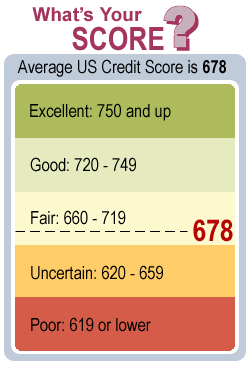
Your credit score is calculated based on several factors, including payment history, credit utilization, length of credit history, new credit, and types of credit used. The scale runs from 300 to 850. A credit score of 720 will get you the most favorable loan options but you can still purchase a home with lower scores. Understanding these components is crucial to improving your credit score and ultimately achieving mortgage success.
1.Payment History
This accounts for the largest portion of your credit score. Making on-time payments is crucial to maintaining a favorable credit score. Even a single missed payment can have a significant negative impact. (This makes up 35 percent of the score)
2. Credit Utilization
This factor looks at the amount of credit you are using compared to your available credit limits. Keeping your credit utilization low can positively influence your credit score. (This makes up 30 percent of the score)
3. Length of Credit History
Lenders prefer to see a longer credit history, as it provides a more comprehensive picture of your financial behavior. This is why it’s essential to start building credit early and maintain long-standing accounts. (This makes up 15 percent of the score)
4. New Credit
Opening multiple new credit accounts within a short period can negatively impact your credit score. Lenders may interpret this as a sign of financial distress. (This makes up 10 percent of the score)
5. Types of Credit Used
Lenders want to see a mix of credit types, such as credit cards, installment loans, and mortgages. A diverse credit portfolio can positively influence your credit score. (This makes up 10 percent of the score)
Improving Your Credit Score
Now that we’ve decoded the components of a credit score, let’s explore some suggestions to help you improve your credit score and increase your chances of mortgage success.
1. Check Your Credit Report
Regularly review your credit report for any errors or inaccuracies. Dispute any discrepancies to ensure that your credit score is based on accurate information.
2. Pay Bills on Time
Consistently making on-time payments is one of the most effective ways to maintain and improve your credit score.
3. Keep Credit Utilization Low
Aim to keep your credit utilization below 30% of your available credit. This demonstrates responsible credit management and can positively impact your score.
4. Avoid Opening Unnecessary Accounts
While it’s essential to have a mix of credit types, opening unnecessary accounts can harm your credit score. Only apply for new credit when necessary.
5. Communicate with Lenders
If you’re facing financial difficulty, communicate with your lenders to explore options for managing your debt. This proactive approach can help mitigate the negative impact on your credit score.
6. Seek Professional Guidance
If you’re unsure about how to improve your credit score, consider reaching out to a qualified mortgage professional. They can provide personalized guidance to help you navigate the complexities of credit scores and mortgage applications.
Reaching Your Mortgage Goals
As you work towards achieving your mortgage goals, it’s crucial to understand the significance of your credit score. By implementing the suggestions outlined in this blog, you can take proactive steps to improve your credit score and position yourself for mortgage success.
If you have specific questions about your credit score or mortgage needs, we encourage you to reach out to our team of knowledgeable mortgage loan officers. Our dedicated professionals are here to provide personalized guidance and support as you embark on your journey towards homeownership.
Remember, your credit score is indeed the key to mortgage success, and by understanding its intricacies and taking proactive steps, you can enhance your financial standing and realize your homeownership dreams.
For personalized guidance on your mortgage journey, don’t hesitate to reach out to us. Our team is here to help you navigate the complexities of credit scores and mortgage applications with confidence and clarity.